Kerala Beef Liver Fry (Karal Ularthiyathu): Soft and Peppery
How to make Kerala beef liver fry (karal ularthiyathu) that stays soft: thick pieces, a short cook with a pepper marinade, a slow onion masala and a quick dry roast in coconut oil, plus fixes for tough or bitter liver and an NHS note on how often to eat it.
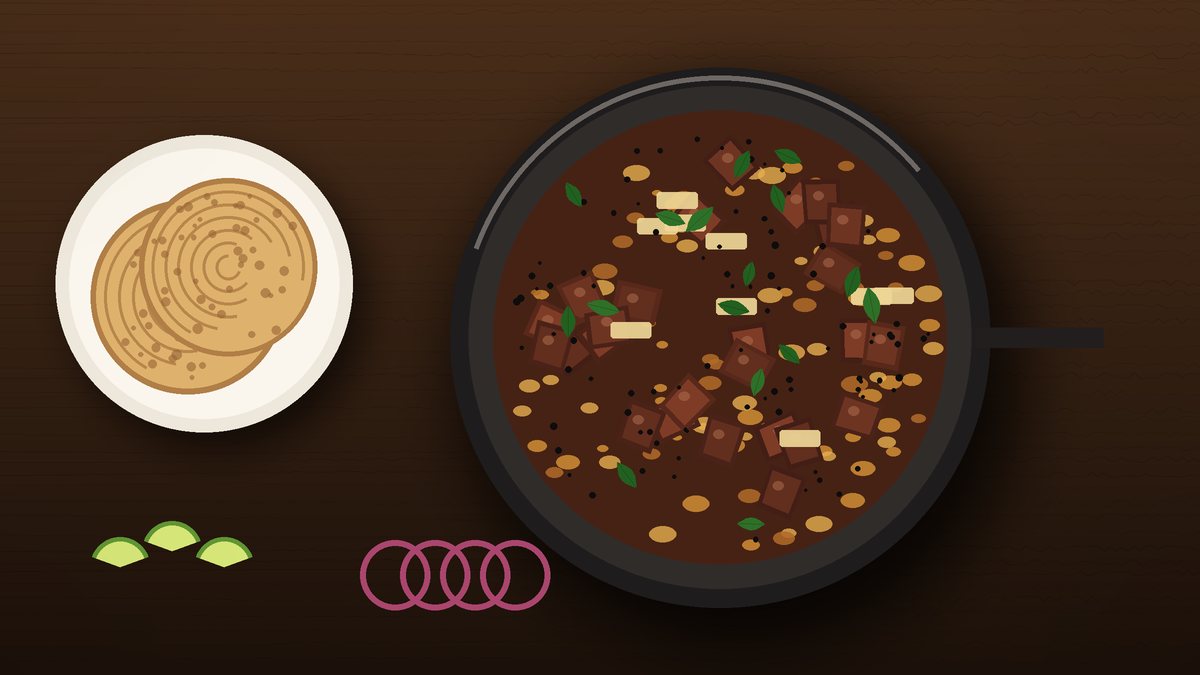
The short answer: Kerala beef liver fry (karal ularthiyathu) is soft and juicy when you do three things: cut the liver into thick pieces (about 2 cm), cook it briefly with the spice marinade until it just firms up, and then roast it with a slow-cooked onion masala for only a few minutes at the end. For 500 g of liver you need about 35 minutes. Liver turns grey, dry and rubbery the moment it is cooked too long, so the whole recipe is built around keeping the liver's time in the heat short.
Most home cooks who say they dislike liver have only met the overcooked version. A good Kerala liver fry is the opposite: dark, glossy, peppery, with crisp edges from coconut oil and a mild, savoury sweetness underneath. It is a staple of toddy shops and small hotels, and it sits happily beside parotta, appam or plain rice.
At a glance
- Serves: 3 to 4 as a side dish
- Time: about 35 minutes plus 15 minutes of marinating
- Heat level: medium, with a clear black-pepper bite
- Texture: tender inside, dry masala clinging to the pieces
- Serve with: parotta, appam, rice and a cucumber-onion salad
How is liver fry different from beef ularthiyathu?
Both are dry-roasted, pepper-forward Kerala fries, and both finish in coconut oil with curry leaves. The difference is the meat. Beef ularthiyathu uses chunks of muscle meat that need long, slow pressure cooking or simmering to become tender. Liver is the reverse: it is already soft, cooks in minutes, and is ruined by long cooking. That is why the technique here keeps the liver out of the pan until the masala is ready, and why the ingredient list is shorter and the spice is lighter than in a beef roast.
Choosing and preparing the liver
Buy liver that is a uniform deep reddish-brown, moist but not slimy, and without a sour smell. Fresh is best. If it is frozen, thaw it fully in the fridge overnight.
- Trim. Cut away any thin outer membrane and pull out the whitish tubes and gristly bits. These stay tough however long you cook them.
- Slice thick. Cut into pieces about 2 cm thick and 3 to 4 cm across. Thin slices overcook before the masala has even coated them.
- Rinse and drain. A quick wash in cold water, then drain well. If the liver smells strong, soak it in milk or in water with a spoonful of vinegar for 20 minutes and drain.
Ingredients
For the liver marinade
- 500 g beef liver, trimmed and cut into thick pieces
- 1/2 tsp turmeric powder
- 1 tsp Kashmiri chilli powder
- 1 tsp crushed black pepper
- 3/4 tsp salt
- 1 tbsp lemon juice or vinegar
For the masala
- 3 tbsp coconut oil
- 3 tbsp thin coconut slices (thengakothu), optional but traditional
- 2 large onions, thinly sliced
- 1 tbsp ginger-garlic paste (or 1 tbsp each of finely chopped ginger and garlic)
- 3 green chillies, slit
- 2 sprigs curry leaves
- 1 1/2 tsp coriander powder
- 1/2 tsp fennel powder
- 1/2 tsp garam masala
- 1 tsp freshly crushed black pepper, to finish
- Salt, to taste
How to make Kerala beef liver fry
- Marinate. Toss the liver with turmeric, chilli powder, pepper, salt and lemon juice. Leave it for 15 minutes. Do not marinate for hours: the acid starts to firm and dry the meat.
- Start the masala. Heat 2 tablespoons of coconut oil in a heavy pan. Fry the coconut slices until golden if you are using them, then lift them out. Add the onions with a pinch of salt and cook over medium heat for 10 to 12 minutes, stirring often, until deep golden brown. Slow onions are the sweetness in this dish.
- Add the aromatics. Stir in the ginger-garlic paste, green chillies and one sprig of curry leaves. Cook for 2 minutes until the raw smell goes. Add the coriander and fennel powders, stir for 30 seconds, and sprinkle a spoon of water if the pan looks dry.
- Cook the liver briefly. Add the marinated liver in a single layer. Cook on medium heat, covered, for 6 to 8 minutes, turning the pieces once, until they are firm and no longer pink in the middle. The liver releases its own juice at this stage. Do not add extra water.
- Roast and dry the masala. Uncover, raise the heat to medium-high and cook for 4 to 5 minutes, stirring gently, until the liquid is gone and the masala clings to the pieces. Add the garam masala and the crushed pepper.
- Finish. Drizzle the remaining coconut oil around the edge, add the second sprig of curry leaves and the fried coconut slices, and toss for a minute until the curry leaves crisp. Switch off, rest for 5 minutes and serve hot.
Why liver turns rubbery, and how to prevent it
Liver is a dense, fine-grained organ meat with very little connective tissue. Unlike a tough cut of beef, it does not improve with long cooking. Its proteins tighten quickly, squeeze out moisture and leave a dry, chalky, grey piece. Three habits prevent that:
- Thick pieces. A 2 cm piece has a moist centre that survives the roasting step. Thin slivers do not.
- Short time on the liver. The onions take the long cooking. The liver takes about 12 to 14 minutes in total, including the final dry roast.
- No crowding. Use a wide pan so the pieces sit in one layer. A deep pan steams the liver and keeps it wet and dull instead of roasting it.
If a piece is still pink in the centre after the covered stage, cook it a few minutes more. The aim is firm and cooked through, not raw, and not dry.
Fixing common problems
- It is tough or chalky. It was cooked too long or cut too thin. Next time, shorten the covered stage and cut thicker pieces.
- It tastes bitter or metallic. Membrane and tubes were left on, or the liver was not fresh. Trim carefully and use the milk or vinegar soak.
- The masala is watery. The pan was too crowded or the heat too low. Roast uncovered on higher heat until the liquid is gone.
- The onions are pale. They were not browned long enough. Give them the full 10 to 12 minutes before adding anything else.
- It is too salty after drying. The salt concentrates as the water cooks off. Season lightly at the start and correct at the end.
Is liver healthy, and who should be careful?
Liver is a very rich source of vitamin A, and the NHS notes that eating liver or liver products more than once a week can mean taking in too much of it. Its advice is to keep to one portion a week at most. The NHS also lists liver and liver products among the foods to avoid in pregnancy, because of the high vitamin A content. Older adults and people who take vitamin A supplements, including fish liver oil, are told to be careful as well. If you have a health condition or are unsure, ask your doctor. Treat liver fry as an occasional dish, not a daily one.
What to serve with liver fry
The dry masala works best with something that soaks up flavour. A flaky Kerala parotta is the classic partner, and it also goes well with appam, plain rice or puttu. For a full meat plate, put it beside a gravy beef curry for parotta and a spoon of egg roast. A salad of raw onion, cucumber and lime cuts through the richness, and cabbage thoran adds a mild vegetable side. If you like the pepper-and-curry-leaf style, try the same finish on nadan chicken roast.
Storing and reheating
Cool the fry quickly and refrigerate within two hours. It keeps for up to 2 days in a covered container. Reheat in a dry pan over medium heat for 2 to 3 minutes, just until hot, and add a few drops of coconut oil. Do not microwave it for long, as it dries out further, and do not reheat it more than once. It is not a good candidate for freezing once cooked.
FAQ
How do I remove the smell from beef liver?
Trim the membrane and tubes, then soak the pieces in milk, or in water with a spoonful of vinegar, for 20 minutes before marinating. Fresh liver has a milder smell to begin with, so buy it the day you cook.
How long should I cook liver so it stays soft?
For 2 cm pieces, about 6 to 8 minutes covered, then 4 to 5 minutes uncovered. Cook until firm and no longer pink inside. More time than that gives a dry, rubbery texture.
Can I use chicken or goat liver?
Yes. Chicken liver is smaller and cooks even faster, usually 5 to 6 minutes in total. Goat liver behaves like beef liver. Use the same masala and cut the cooking time to suit the size.
Do I need to pressure cook liver first?
No. Pressure cooking is for tough muscle cuts. Liver is already tender and a pressure cooker will overcook it. Use a heavy pan with a lid instead.
Sources
- NHS, Vitamin A (liver is a very rich source; no more than once a week; care with supplements)
- NHS, Foods to avoid in pregnancy (liver and liver products)
- Wikipedia, Offal (liver as an organ meat used across cuisines)
- Video credit above: Abida Rasheed on YouTube (a Kerala-style liver fry method)