Kerala Duck Roast (Tharavu Roast): Kuttanadan-Style Recipe
Skin-on duck cooked in a shallot, tomato and pepper masala until the gravy clings: marinade, pressure-cook times by type of duck, how to cut the fat, and what to serve it with.
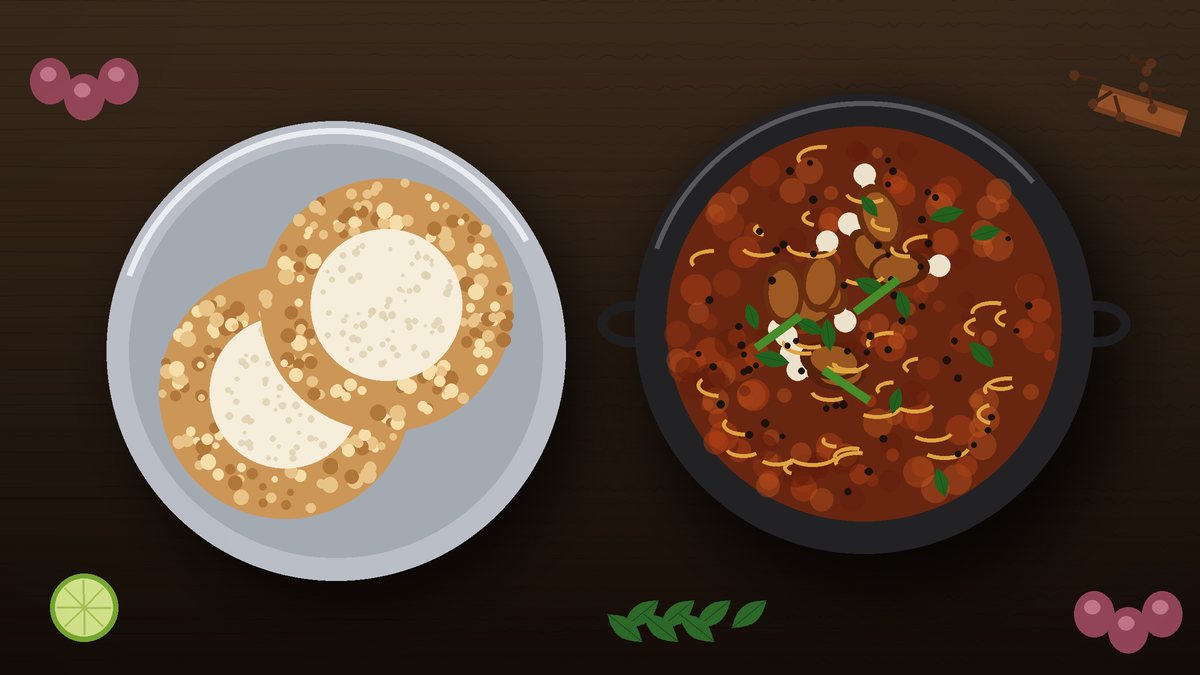
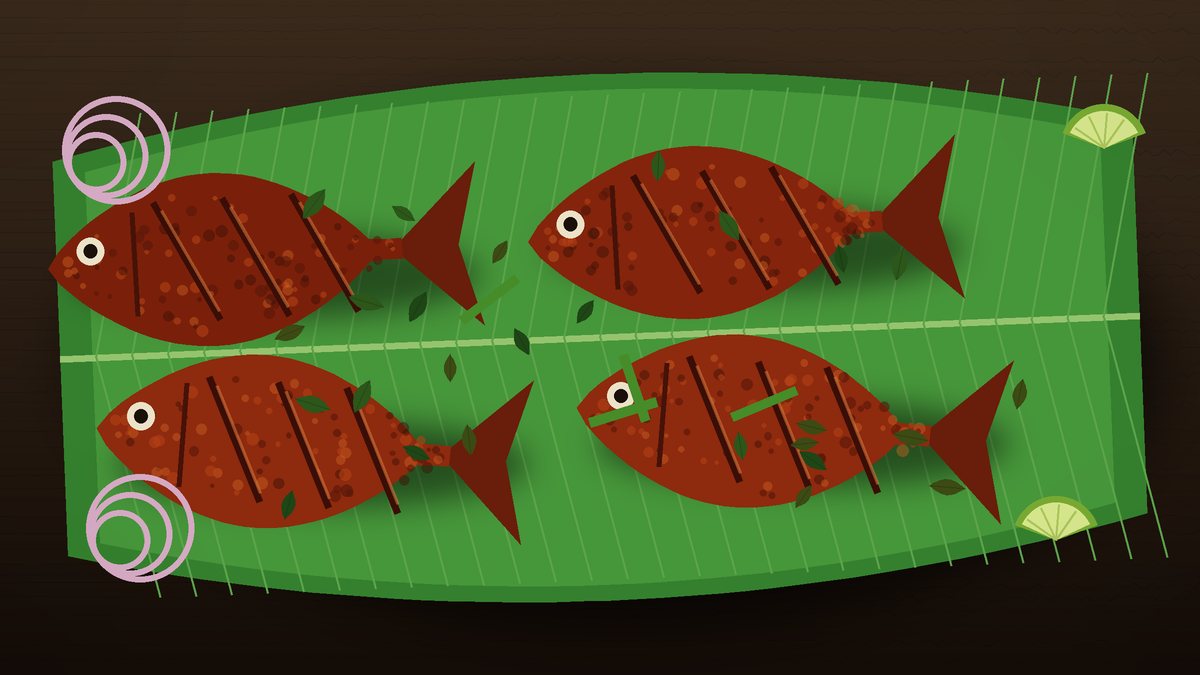
The short answer: Kerala duck roast, called tharavu roast in Malayalam, is skin-on duck cooked in a thick onion, tomato and pepper masala until almost no gravy is left and every piece is coated. Marinate the duck for 30 minutes, brown a large pile of shallots in coconut oil, pressure-cook the duck until tender, then simmer uncovered until the masala clings. Serve it with rice, appam or idiyappam. The whole recipe below serves four and takes about 90 minutes, most of it hands-off.
The dish is tied to Kuttanad, the backwater region around Alappuzha where ducks are a familiar sight, and it turns up on Christmas and Easter tables across Kerala. Christmas is about seven weeks away, which is a good moment to practise it once before the festival, because duck is less forgiving than chicken. If you already cook our nadan chicken roast, the method will feel familiar. The main differences are the skin, the fat and the longer cooking time.
What makes it tharavu roast
Three things set it apart from a plain duck curry:
- Very little gravy. One Kerala cook notes that it is also called tharavu puralan for exactly this reason: the sauce is reduced until it coats the meat rather than pooling around it.
- The skin stays on. The fat under the skin cooks the meat in its own juices and carries the spices, so the recipe needs less added oil than you might expect.
- Coconut oil and curry leaves. Coconut oil is the traditional cooking fat for Alappuzha-style dishes and gives the roast its recognisable smell. Fresh curry leaves go in at the masala stage and again as a garnish.
Home versions differ on small points. Some use a big pile of shallots, some prefer sliced large onions. Some add tomato, some rely on onion and vinegar alone, and a few add potato wedges on the side. All the versions we compared agree on the core: marinated duck with skin, onion-based masala, black pepper and garam masala, and a dry, clinging finish.
Ingredients (serves 4)
For the duck
- 1 kg duck, skin on, cleaned and cut into curry-size pieces (about 4 cm)
- ½ tsp turmeric powder
- 1 tsp Kashmiri chilli powder
- 1 tsp coriander powder
- 1 tbsp vinegar
- Salt
For the masala
- 3 tbsp coconut oil
- 2 cups thinly sliced shallots (or 3 large onions)
- 1 tbsp finely chopped ginger
- 1 tbsp finely chopped garlic
- 3 green chillies, slit
- 2 medium tomatoes, chopped
- 1 tbsp Kashmiri chilli powder
- 1½ tbsp coriander powder
- 1 tsp freshly crushed black pepper
- 1 tsp garam masala
- ½ tsp fennel powder
- 3 sprigs curry leaves
To finish: a handful of fried shallot slices, a few curry leaves fried in coconut oil, and a little ginger cut into thin strips.
Method
- Clean the duck well. Remove any pin feathers, trim the tail gland and the loose fat at the cavity, and wash. This is the step that most affects the final smell. Pat the pieces dry.
- Marinate. Mix the turmeric, chilli powder, coriander powder, vinegar and salt with the duck. Rub it in and leave it for 30 minutes at room temperature, or up to a few hours in the fridge.
- Brown the aromatics. Heat the coconut oil in a pressure cooker or heavy pot. Add the ginger, garlic and green chillies and fry until they just colour. Add the shallots and cook, stirring, until golden brown, about 10 minutes. Do not rush this stage; browned onion gives the roast its depth.
- Build the masala. Add the tomatoes and cook until they break down. Lower the heat, stir in the chilli powder, coriander powder and pepper, and cook until the oil starts to separate from the paste. Add the curry leaves.
- Cook the duck. Add the marinated duck and stir to coat. Close the cooker and cook on high heat for 2 to 3 whistles for a tender broiler duck. Cook up to 5 or 6 whistles for a tougher, free-range bird. Let the pressure release on its own. The cooking time depends so much on the bird that cooks quote everything from 5 minutes under pressure to several whistles. Check one piece with a fork rather than trusting a number.
- Reduce. Open the cooker. The duck will have released a good deal of liquid and fat. Spoon off the clear fat from the top, leaving a little for flavour. Simmer uncovered on medium heat, stirring often, for 10 to 15 minutes until the liquid has almost gone and the masala clings to each piece.
- Finish. Stir in the garam masala and fennel powder, cook for another minute and taste for salt. Top with the fried shallots, curry leaves and ginger strips. Rest for 5 minutes before serving.
How to tell it is done
The meat should pull easily from the bone but still hold its shape. The masala should be dark, thick and glossy, with a thin film of oil at the edges. Food-safety guidance for poultry sets the minimum safe internal temperature at 165°F (74°C). A pressure-cooked duck passes that easily, but if you roast pieces in a pan instead, check with a thermometer at the thickest part of a thigh.
What to serve it with
Because there is so little gravy, plain rice is the most natural partner: you get the masala on the meat and the rice does the rest. Appam works well too, and the soft centre is good for mopping up the oil. Idiyappam and puttu are also common pairings. If you want a gentler dish on the table beside it, a mild chicken stew balances the heat. For a festive spread, add a vegetable such as cabbage thoran.
Common problems and fixes
- Too greasy. Duck skin releases a lot of fat. Skim it after pressure cooking, and do not add extra oil in the reduction step.
- Strong smell. Clean the bird thoroughly, remove the tail gland and use the vinegar in the marinade. Fresh pepper and plenty of browned shallots help mask what remains.
- Tough meat. Free-range ducks need longer. Cook it another whistle or two rather than simmering for ages in the open pan.
- Watery masala. Keep simmering uncovered on medium heat. A roast is finished only when the gravy has reduced to a coating.
- Burnt masala at the end. Stir often and drop the heat once the sauce thickens.
Make-ahead and leftovers
Duck roast improves overnight, so it suits a festive menu. Cool it quickly, refrigerate in a covered container and eat within three to four days, in line with the FoodSafety.gov storage chart. Reheat in a pan until steaming hot, adding a splash of hot water only if it has dried out. Freeze in portions if you want to keep it longer. Add the fried shallot garnish fresh after reheating.
Frequently asked questions
Can I use a chicken-style method for duck?
Mostly yes, but duck needs more time and has far more fat. Pressure cooking first, then reducing in the open pot, gives more reliable results than frying the raw pieces for the whole cooking time.
Is tharavu roast the same as duck curry?
No. A duck curry has a pourable gravy, often with coconut milk. Tharavu roast is a dry, spiced masala with little sauce.
Which part of the duck should I buy?
A whole duck cut into pieces is best, because the bones and skin add flavour. Leg and thigh pieces alone also work and are easier to eat.
Can I make it without a pressure cooker?
Yes. Cover and cook in a heavy pot on low heat, stirring now and then, for roughly 60 to 90 minutes until tender, then reduce uncovered. The time depends on the bird.
Why is duck roast a Christmas dish in Kerala?
It is a festive, rich, meat-centred dish that families in Christian communities in Kerala, especially around Kuttanad, traditionally prepare for Christmas and Easter meals, usually with appam or rice.
Sources
- Duck Roast (Tharavu Roast), Kuttanadan Style (MeemisKitchen): tharavu puralan, coconut oil, skin on, pressure cooking and fat skimming.
- Kuttanadan Duck Roast (MariasMenu): marinade with vinegar, little gravy, cooking time varying by type of duck, serving with rice or appam.
- Tharavu Roast, Kerala Duck Roast (Something's Cooking): skin left on, cooked in its own fat, partial pressure cooking and the shallot-tomato masala.
- A Recipe for Tharavu Roast (That One Dish): role of tharavu roast at Christmas and Easter, serving with rice or appam.
- Safe Minimum Internal Temperature Chart (FoodSafety.gov): 165°F (74°C) for poultry.
- Cold Food Storage Chart (FoodSafety.gov): refrigerator and freezer storage times for leftovers.
More festive Kerala dishes: try the beef ularthiyathu or browse the sadya menu for sides that go with a roast.