Erachi Puttu: Kerala Minced-Meat Puttu Layered with Spiced Beef
How to make erachi puttu, Kerala steamed puttu layered with a dry spiced beef or chicken masala and coconut, with the moisture test, the tomato question and fixes for crumbly or gummy puttu.
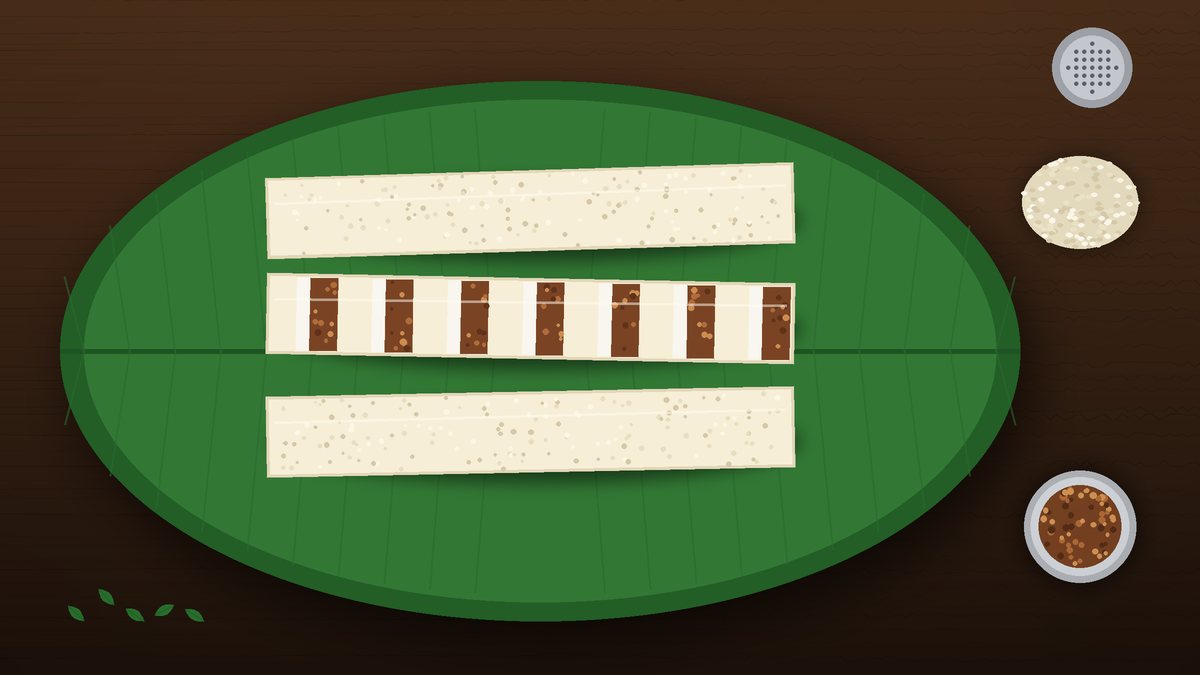
The short answer: Erachi puttu (also written irachi puttu) is Kerala steamed puttu with a layer of spiced minced meat built into every cylinder. You season cooked beef or chicken with onion, pepper and garam masala, then layer it inside the puttu maker between moist puttu flour and grated coconut, and steam it for 5 to 8 minutes. It serves 3 to 4, takes about 45 minutes with pre-cooked meat, and needs no gravy because the filling already carries the flavour.
Plain puttu is the everyday Kerala breakfast most of us grew up with. Erachi puttu is the version you make when you have leftover beef fry or boiled chicken and want something more filling. Wikipedia notes that Muslims in Kerala eat a version called irachiputtu in which rice is layered with spiced mincemeat, and that some Calicut restaurants also serve chicken puttu and carrot puttu next to the plain one. If you have never made the base, start with our puttu recipe, because the meat version uses exactly the same flour, the same steamer and the same moisture test.
What makes it different from plain puttu
- A meat layer in the middle. Instead of only coconut and flour, the puttu maker gets three layers repeated: coconut, meat masala, puttu flour.
- A dry masala, not a curry. The meat is cooked until the water has dried, so it behaves like a crumbly filling and does not make the flour soggy.
- Short steaming. The cylinder is loosely packed and cooks in 5 to 8 minutes, just like ordinary puttu.
Ingredients (serves 3 to 4)
For the puttu
- 2 cups puttu flour (roasted rice flour; any puttu podi, white or brown, works)
- ¾ cup freshly grated coconut, plus a little more for layering
- ½ tsp salt
- About ½ cup warm water, added slowly
For the meat masala
- 250 g boneless beef or chicken, cooked with salt, turmeric and pepper, cooled and minced or shredded
- 1 medium onion, finely chopped
- ½ inch ginger and 3 to 4 garlic cloves, minced
- 2 green chillies, minced
- 1 tsp coriander powder
- ½ tsp crushed pepper
- ½ tsp fennel seeds, crushed
- 1 tsp garam masala
- 1 tbsp chopped coriander leaves
- Salt and 2 tbsp coconut oil
Method
- Wet the flour. Dissolve the salt in warm water and sprinkle it over the flour a little at a time, rubbing it in with your fingers until it looks like damp crumbs. Take a handful and squeeze it: it should hold together, then break apart when you open your fist. Rest it for 10 to 20 minutes so the puttu turns out soft. If it has clumps, pulse it for a few seconds in a blender.
- Cook the meat. Simmer the boneless meat with salt, turmeric and pepper until tender. Cool it, then mince or shred it finely. Leftover beef fry or chicken roast works too if it is not too oily.
- Make the masala. Heat the oil and fry the onion until soft and lightly golden. Add ginger, garlic and chillies and cook for a few minutes. Add coriander powder, pepper, fennel and garam masala and stir until the raw smell goes. Add the minced meat and a splash of hot water (about ¼ cup), then cook until the water dries up completely. Stir in the coriander leaves and let the filling cool.
- Layer the puttu maker. Start with 1 tablespoon of grated coconut at the bottom, then 2 tablespoons of meat masala, then 4 to 5 tablespoons of moist puttu flour. Repeat until the mould is full, finishing with a layer of flour. Do not press it down: loosely packed puttu steams evenly.
- Steam. Fill the puttu pot with water and bring it to a boil. Fit the filled mould on top, close the lid and steam over medium-high heat for 5 to 8 minutes, until steam comes out of the top.
- Serve. Push the cylinder out onto a plate and serve hot. It is good as it is, or with a spoon of coconut chutney, a cup of tea or a small bowl of curry.
The tomato question
Recipes disagree here. MariasMenu puts a chopped tomato into the masala. The Kitchen Magic blog says to avoid it, because tomato makes the masala wet and can stop the steam from passing up through the puttu. Our advice: skip the tomato for your first attempt, and if you want it, cook it until it is completely dry before layering. A wet filling is the most common reason for a heavy, gummy puttu.
Fixes for common problems
- Puttu falls apart. The flour was too dry. Sprinkle a little more water, mix and rest it again.
- Puttu is hard or pasty. The flour was over-wet or the mould was packed too tightly. Keep the layers loose.
- Steam does not come out of the top. The meat layer is too moist, or the mould is pressed down. Dry the masala further and fill loosely.
- Bland filling. Season the meat while it is cooking, not only in the masala, and keep the pepper and fennel generous.
- No puttu maker. MariasMenu says an idli steamer works. Layer the same ingredients in small cups or moulds and steam for a similar time, checking that they are cooked through.
Beef, chicken or something else
- Beef. The classic version. Cook the beef until very tender before mincing, and a spoon of leftover beef ularthiyathu can be shredded into the filling.
- Chicken. Use boneless chicken, which is lighter and quicker. Shredded chicken roast works if you drain the excess oil.
- Egg. Wikipedia lists egg curry as another possible layer in puttu. Crumbled egg roast makes a good meat-free filling.
- Wheat puttu flour. MariasMenu used a samba wheat puttu podi and says any puttu podi, white or brown, will do.
What to serve with erachi puttu
The filling means you can serve it dry. If you want a side, a sweet black coffee or tea, or a ripe banana on the side is enough. For a bigger meal, pair it with kadala curry or a bowl of chicken stew. Wikipedia notes that puttu is commonly eaten with chickpea curry, fish curry, chicken curry, beef curry and papadum, and the same holds here.
Storage
Erachi puttu is best eaten right after steaming. If you have leftovers, refrigerate them in a covered container the same day and eat within a day or two. Warm it in the steamer for a few minutes rather than the microwave to keep it soft. The cooked meat masala can be made a day ahead and kept refrigerated, which makes the morning prep short.
Frequently asked questions
Is erachi puttu the same as beef puttu?
Beef puttu is one version of erachi puttu. Erachi simply means meat, so chicken or mutton versions are also called erachi puttu.
Can I use raw mince?
The recipes we read use pre-cooked meat, because the puttu steams for only 5 to 8 minutes, which is not enough to cook raw mince safely. Always cook the meat fully before layering.
Which flour is best?
Puttu podi has a granular texture, unlike the smoother appam or idiyappam flour, and that grain is what lets steam pass through the cylinder. Use roasted puttu podi, white or brown.
Can I make it without coconut?
You can, but the coconut layer keeps the puttu soft and separates the meat from the flour. Reduce it rather than leave it out.
Sources
- Puttu (Wikipedia): irachiputtu, chicken puttu, accompaniments and the layering technique.
- Erachi Puttu (MariasMenu): layer quantities, 5 to 7 minute steaming, idli steamer substitute.
- Erachi Puttu (The Kitchen Magic): flour moisture test, resting time, tomato note, 5 to 8 minute steaming.
Want more Kerala breakfast ideas? See our appam recipe and the idiyappam with chicken stew.